real estate appraiser

Hidden Egg-spenses: Pre-Listing Maintenance Tips

Spring highlights exterior condition and drainage issues that may not have been visible in winter. Addressing them early can improve first impressions, reduce appraisal flags, and support buyer confidence.

Exterior First: What Winter Leaves Behind

Start outside. Appraisers and buyers form opinions before entering the home.

Focus on:
• Peeling paint or damaged siding
• Gutters and downspouts draining properly
• Secure railings, steps, and porch boards
• Clean walkways and visible house numbers

Landscaping: Simple, Not Elaborate

Basic upkeep is enough:
• Trim overgrowth
• Remove winter debris
• Clean edges along walkways

Neat landscaping helps the home compare more favorably to similar properties.

Moisture and Drainage Checks

Spring moisture issues carry weight:
• Look for basement dampness or musty odors
• Address visible water stains if resolved
• Confirm sump pumps work
• Extend downspouts away from the foundation

Interior Touch-Ups and Systems

Brighter light reveals flaws:
• Repair peeling paint and drywall cracks
• Replace burned-out bulbs
• Tighten loose doors and hardware

After winter use:
• Replace HVAC filters
• Test heating and cooling
• Check for plumbing leaks


What Not to Stress Over

Skip major renovations for appraisal, décor trends, and eliminating normal signs of daily living.

Spring prep is about addressing winter wear, moisture concerns, and basic maintenance. Small, visible fixes help protect value, strengthen buyer confidence, and support a smoother appraisal—often at far less cost than last-minute repairs later.

Happy Easter from our office to your home!

Is There a Pot of Gold in Green Homes? What Appraisals Really Show

In Western Pennsylvania, green and energy-efficient features are often discussed in terms of comfort and savings. From an appraisal standpoint, their impact on value depends on local buyer response, not national trends.

What “Green” Means in Local Appraisals

Appraisers focus on measurable improvements that address common regional issues, including:
• Older construction and insulation
• Higher heating costs
• Basement moisture concerns
• Aging mechanical systems

Features that improve efficiency, durability, and livability tend to carry the most weight.

Energy Efficiency Buyers Value Most

Western Pennsylvania buyers are typically practical and cost-conscious. Features most likely to support value include:
• High-efficiency furnaces or boilers
• Improved attic and wall insulation
• Energy-efficient windows and doors
• Modern heat pumps or hybrid systems

Solar panels may or may not add value unless comparable sales show buyer premiums.

Green Certifications: Helpful, Not Automatic

Green certifications can provide helpful documentation but are less common locally. Without comparable certified sales or clear buyer familiarity, certifications alone do not guarantee higher appraised value.

Indoor Air Quality and Materials

In older housing stock, features such as low-VOC finishes, updated flooring, and improved ventilation can support buyer appeal and overall condition, even if they are not separately adjusted.

Water and Moisture Control Matter Here

Moisture management is especially important in this region. Features such as drainage improvements, sump pumps, waterproofing, and water-efficient fixtures often support value by reducing risk.

Documentation Makes the Difference

Many green upgrades are not obvious during an inspection. Providing a clear list of upgrades, energy audits, utility comparisons, and system warranties helps ensure features are properly considered.

Bottom Line for Western Pennsylvania Homeowners

Green features can support appraisal value when they align with local buyer expectations and are well documented. In this market, practical upgrades that improve efficiency, manage moisture, and reduce operating costs are most likely to matter.

Happy St. Patrick’s Day!

Class Action Lawsuit Shakes Up Real Estate Practices

Recently, a class-action lawsuit was filed by several home sellers in Missouri against the National Association of Realtors (NAR) and prominent real estate brokerages, including Berkshire Hathaway, Keller Williams, and RE/MAX. The plaintiffs argued that real estate commission rates were excessively high, that agents representing buyers were overpaid, and that NAR’s practices led to inflated commission rates. The plaintiffs won the lawsuit, leading to significant changes in how real estate business is conducted.

The most notable change is that the negotiated compensation can no longer be stated within the NAR Multiple Listing Service (MLS) systems. Instead, the listing contract and the buyer’s agency contract will contain the agreed compensation, which cannot be published on NAR-authorized sites. Additionally, buyers will now need a signed buyer’s agency contract to have an agent show them a listed property.

These changes raise important questions: Do they affect the market value of properties? Do changes in compensation between brokerages influence the sale price of a property?

To answer these questions, it is essential to understand the historical context of real estate compensation. Traditionally, compensation has been paid solely by the sellers and is predominantly a commission based on a percentage of the sales price, agreed upon at the time of the listing contract’s execution. Although the seller establishes a business relationship with an agent, the compensation is paid to the broker of the company, not the agent. This payment is then shared between the seller's broker and the buyer's broker, a practice known as cooperative compensation. The recent changes primarily affect this cooperative compensation.

As a colleague pointed out, compensation has always been a business relationship between real estate brokerages, separate from the sales transaction itself. In real estate, when a seller agrees to pay a commission to the broker, how the broker divides that compensation remains a business decision independent of the buyer-seller negotiations. These commissions, though now negotiated and written differently, remain a business decision conducted behind the scenes, outside the purchase contract.

Will these changes affect the market value or sale price of properties? The standard appraisal answer is that it depends. As with any significant change in real estate practices, it is challenging to predict the exact impact until the changes take effect. There will likely be an adjustment period where buyers need to save more money to cover their side of the commission. Additionally, sellers may reconsider their willingness to cover the entire commission, a practice that has been standard for decades.

Appraisers have never analyzed the compensation paid for by buyers and sellers as part of the comparison sales analysis. What could affect the analysis is the changes that might occur regarding additional monies paid by the seller to help the buyer that is no longer considered the cost of doing business, but rather in the form of concessions. These will be analyzed and adjusted accordingly. Agents will need to report this data accurately in order to allow appraisers the ability to use that data properly within an analysis.

The recent lawsuit and resulting changes highlight the evolving nature of the industry. While the immediate impact on property market value and sale prices is uncertain, these changes will undoubtedly reshape the dynamics between buyers, sellers, and brokers. As the real estate market adapts to these new regulations, all parties involved must stay informed and prepared for the adjustments ahead.


Understanding the Tax Appeal Process in Westmoreland County, PA

In Westmoreland County, PA, a significant number of homeowners find themselves grappling with property tax assessments that seem higher than they ought to be. In some cases, property owners don’t even know what their assessed value is or how it relates to their property tax consequence. This is a crucial issue because with the common level ratio set at 10, an over-assessment means you're likely paying more in property taxes than you should be.

As an example, my own experience sheds light on this problem as I have recently applied for an appeal. My condo has an assessed value of $26,590, which implies a market value of $265,900 according to the common level ratio. Yet, the highest sale price within my plan has only reached $203,000 and this sale was a unit that had been completely gutted and remodeled.

If you're facing a similar predicament, it's important to know that appealing your tax assessment is a viable option. The appeal process, while it might seem daunting, is quite straightforward when broken down into its components. The first step involves examining your assessment to gauge how your assessed value compares with what you believe your property is truly worth. This initial step is crucial for setting the stage for your appeal.  Westmoreland County has not re-assessed since 1972 and is using these base year values for your property. With the current common level ratio at 10, take your assessed value and multiply it by 10. If this number is higher than what you feel your property’s current market value is, then you could be paying more in taxes and be a good candidate to file for an appeal.

Gathering evidence becomes your next task. Seeking the expertise of a professional appraiser can significantly strengthen your appeal. A detailed appraisal report not only provides solid evidence to support your claim but also demonstrates a professional evaluation of your property's market value. The cost of the appraisal can be a small investment compared to the amount of taxes you could be saving going forward.

Being mindful of deadlines is equally important. The appeal process is bound by strict timelines, and missing a filing deadline could delay your appeal by a year. Westmoreland County has a deadline of August 1st and missing this deadline could mean waiting another year to save on your taxes.

Finally, preparation for the hearing is the culminating step. This involves not just being ready with your documentation and evidence but also understanding the nuances of how to present your case effectively. The hearing offers you a platform to argue your case, and being well-prepared with a certified appraisal in hand can significantly influence the outcome in your favor.

Navigating the tax appeal process in Westmoreland County doesn't need to be an overwhelming challenge. With a methodical approach, starting from understanding your assessment through to the hearing, the path to potentially reducing your tax burden becomes clearer. As an appraiser myself, I'm navigating this path alongside many of you, aiming not just to reduce my own tax liability but also to ensure fairness and accuracy in property tax assessments. The objective is to ensure that each homeowner pays their fair share, based on a true and fair valuation of their property. If you feel that your property is over-assessed, considering an appeal is a step worth taking.

Does an Appraisal Have an Expiration Date?

Appraisals do not expire. Every appraisal report is required to have an effective date which reflects the date the value opinion relates to. This date is important because it is the date that becomes the benchmark reflecting the research and analysis of the market trends that impacted the development of value. If at any time after that effective date the market trends change, then the value result could be impacted proportionately.

It is important to note that while there is technically no expiration date, lenders may have their own designated time period for which an appraisal is good for. Most accept an appraisal for 90 days, however, in a rapidly changing market, this time period often can be reduced to 30 days.

Dollars and Sense: The Significance of Knowing Your Home's Worth

You would have to be living under a rock or in an area that is completely off grid to not be somewhat aware that real estate prices have been fluctuating and increasing significantly in many areas over the past couple of years. If you have not purchased or refinanced recently, your homes value might have changed from where you thought it was just 12 -18 months ago. Knowing the value of your home can be important for many reasons of which, here are a few:

Financial Planning

The value of your home is a significant component of your overall net worth. Your home is likely one of your most significant assets. Knowing its value allows you to calculate your net worth accurately. Understanding its value helps you make informed decisions about your financial planning, such as determining your assets, calculating your equity, or evaluating your borrowing capacity.

Selling or Renting

If you're considering selling or renting out your property, knowing its value is crucial. It allows you to set a competitive price that aligns with the market, ensuring you don't undervalue or overprice your home.

Refinancing or Home Equity Loans

When refinancing your mortgage or applying for a home equity loan, the value of your home plays a vital role in determining the amount you can borrow. Lenders assess the loan-to-value ratio, which compares the loan amount to the home's appraised value, to determine eligibility and interest rates.

Property Taxes

The value of your home often influences property tax assessments. Local tax authorities use property values to calculate the amount of tax you owe. Knowing your home's value helps you ensure that you're being taxed fairly and can plan for potential increases.

Insurance Coverage

Understanding the value of your home is essential for obtaining the appropriate insurance coverage. If your home is underinsured, you may not receive sufficient compensation in the event of damage or loss. Conversely, overinsuring your home means paying more in premiums than necessary.

Investment Decisions

If you're considering real estate as an investment, knowing the value of your home can help you assess its potential return on investment, evaluate rental income potential, or make informed decisions about buying additional properties.

It is important to note that home values can fluctuate over time due to various factors such as market conditions, location, renovations, or changes in the neighborhood. Therefore, regularly monitoring and assessing your home's value is important for staying informed. If you would like to check out more information regarding the importance of knowing your homes value, check out the following articles:

https://www.homes.com/blog/2017/03/benefits-of-knowing-your-homes-value-whether-you-are-staying-or-selling/

https://www.homelight.com/blog/check-house-value/

Reducing the Stress of Divorce: The Vital Role of an Experienced Appraiser

We understand that going through a divorce is an incredibly challenging experience, both emotionally and legally. In these turbulent times, it becomes crucial to alleviate some of the stress involved in the process. One effective way to achieve this is by engaging the services of an experienced and qualified appraiser who has been established as an expert witness in divorce litigation. In this blog post, we will delve into the significance of hiring an appraiser with expert witness testimony experience for divorce appraisals, offering invaluable support during this trying period.

Understanding the Legal Process

An appraiser with expert witness testimony experience possesses an in-depth comprehension of the legal process involved in divorce appraisals. They are well-versed in the intricacies of presenting their findings in a clear and concise manner, ensuring that their testimony carries maximum weight in the courtroom. Their familiarity with legal procedures enhances the likelihood of a favorable outcome.

Credibility and Reputation

One key aspect of hiring an appraiser with expert witness testimony experience is the credibility and reputation they bring to the table. By engaging such an appraiser, you can rest assured that their testimony will be taken seriously by the court. Having established a track record of providing objective, unbiased opinions, I have successfully demonstrated my expertise in numerous courtrooms located in Armstrong, Westmoreland and Indiana Counties, thereby earning the reputation of a reliable and trustworthy appraiser.

Crucial Role in Court

In my professional opinion, the importance of hiring an appraiser with expert witness testimony experience cannot be overstated in divorce appraisals. The appraiser's opinion often serves as pivotal evidence in supporting one party's claims over the other, making it imperative for their testimony to withstand rigorous cross-examination. By selecting an appraiser with this specific experience, you minimize the risk of having your clients' arguments weakened or dismissed.

Reducing Stress During Divorce

Navigating through a divorce is an emotionally taxing experience. By ensuring that you choose an appraiser with the necessary qualifications and expertise to provide expert witness testimony, you can alleviate some of the stress associated with the process. The knowledge that your appraiser is capable of delivering accurate and unbiased valuations to support your case will provide you and your clients with peace of mind, allowing you to focus on other crucial aspects of the legal proceedings.

In the event that you require an appraisal during the course of a divorce, we invite you to contact our office, where we guarantee the utmost standard of excellence in appraisals, coupled with the professionalism necessary to deliver expert witness testimony, should the need arise.

Appraisal Reviews: Ensuring Accuracy and Compliance

Recently, after completing a few courses and passing the exam offered by Appraiser eLearning through the National Association of Appraisers, I received a Certificate in Appraisal Review from their Professional Certification Board.

Now why would one want to have an appraisal report reviewed? Appraisal reviews play a crucial role in the real estate industry, ensuring the accuracy, quality, and compliance of an appraisal report. An appraisal review involves the evaluation and analysis of an existing appraisal report conducted by another appraiser. It aims to gauge the quality, accuracy, and adherence to standards and guidelines of the original appraisal. Think of it as a comprehensive quality check for property valuation.

Here are some reasons one might want to contract an appraiser to review another appraisers report:

Quality Assurance: Appraisal reviews help identify errors, inconsistencies, or omissions in the original appraisal report. By providing an opportunity for correction or clarification, they ensure the reliability and trustworthiness of the valuation.

Compliance: Appraisal reviews ensure that the original appraisal adheres to regulatory and professional standards, such as the Uniform Standards of Professional Appraisal Practice (USPAP). Compliance is vital to maintain integrity in the valuation process.

Litigation and Dispute Resolution: During legal proceedings or property valuation disputes, an appraisal review serves as an objective evaluation. It helps identify weaknesses, biases, or potential issues that may impact the outcome of the case.

Lender Requirements: Lenders and financial institutions may require appraisal reviews as part of their due diligence process. This ensures that they make informed lending decisions based on accurate and reliable appraisal reports.

If you have an appraisal requiring a second opinion to measure its accuracy, quality, and compliance, be sure to select an appraiser who possesses the education and experience necessary to provide you the review appraisal you need.

Health Risks in Older Homes

When purchasing an older home, whether you intend to renovate with the plan to live in it or “flip it”, there are some risks you should familiarize yourself with before you begin.

Lead- Lead is often found in the paint, plumbing and the settled dust of an older home. Specifically, homes built prior to 1978 all carry the risk of lead based paint. If you want more information I wrote a blog article on the risks associated with this: https://www.tncresappraisals.com/blog/2022/10/14/lead-based-paint-cant-be-that-bad-or-can-it The best way to deal with lead issues is to consult with a certified lead professional before renovating.

Asbestos- Prior to 1980, asbestos was used in insulation, flooring, roof sheathing and even on textured ceilings. The EPA issued a ban on most products containing asbestos in 1989. When the asbestos fibers are damaged or disturbed, the become airborne which is when it poses the greatest hazard as you breathe these fibers into your lungs. This exposure can show up years later in the form of lung cancer and mesothelioma. When you suspect a material contains asbestos, never sand, scrape or drill holes through it. It is best to use an asbestos abatement professional to determine if something contains asbestos and for any type of repair or removal.

Mold- This can be one of the most insidious of the problems as it is a living organism that, when not treated thoroughly, can reoccur continuously. It also can hide and not appear as an issue until it is an overwhelming problem. It is most likely to occur in areas where there is plumbing or water infiltration like a roof leak or poorly sealed window frame. Those with pre-existing health issues such as allergies or lung problems can be overly sensitive to mold spores. In areas where there is more than 100 square feet of affected area, it is strongly recommended that you use a professional to remediate this issue.

While all three of these health hazards can be scary to think about, each of them are treatable with the right kind of professional. Know the risk and evaluate their impact within your decision process.

Why Does the Appraiser Need the Sales Contract?

When it comes to appraising a property, appraisers must take into account all agreements of sale. According to Standards Rule 1-5 in the Uniform Standards of Professional Appraisal Practice (USPAP), we are required to analyze any contracts for sale. That's why it's important for the appraiser to receive a copy of the sales contract.

 By viewing the contract, the appraiser may be able to identify irregularities and comment on them. For example, if the contract includes provisions for concessions, non-real property items included in the sale, or other unusual conditions, the appraiser may need to comment on these provisions in the appraisal report to explain why there is a difference between the indicated market value of the subject property and the contract price.

 The appraiser is likely familiar with the local real estate contract forms, customary terms, and conditions of real estate transactions in the area. This familiarity enables the appraiser to better understand the specifics of the contract and identify any unusual terms that may need to be addressed in the appraisal report.

In summary, providing a copy of the sales contract to the appraiser is essential to ensure an accurate appraisal. Appraisers are required to analyze all agreements of sale. Understanding the specific provisions of the sales contract is critical to producing an appraisal report that accurately reflects the property's value. By providing the appraiser with the sales contract, homebuyers can help ensure that the appraisal report is reliable and based on accurate information.

Clean and Green- From the appraiser's point of view

Clean and Green is a preferential tax assessment program enacted in 1974 under the stated goal of “protecting the Commonwealth's valuable farmland, forestland, and open spaces.” It bases property taxes on use values rather than fair market values. This ordinarily results in a tax savings for landowners..

Once enrolled, the general rule is that the landowner is obligated to continue using the land in a qualified use indefinitely or face the penalty of roll-back taxes for the most recent seven years, PLUS 6% of that difference per year. If a landowner sells a property enrolled in Clean & Green, the buyer will be obligated to continue using the land in a qualified use or pay roll-back taxes and interest.

Clean & Green also has limitations as to subdividing the property. No more than 2 acres can be split off (3 acres where municipalities require a 3 acre minimum lot size) per year for the purpose of building a residence. The total of these types of subdivisions can never exceed a total of 10 acres. These split offs would be subject to the roll back tax but only for the portion that is being split off.

A subdivision can can be made dividing the property into parcels that are more than 10 acres minimum. As long as they remain the same use, it would then not be subject to the roll back taxes.

While enrolling in the Clean and Green program may be free and save thousands in taxes in the short run by reducing the annual tax rate, make sure you are aware of how this impacts your land value. It will limit the use of the property unless you take the steps necessary to remove the enrollment and pay the mandatory differences in the taxes plus a 6% interest rate. If you are thinking of selling the property, it could also limit the size of your interested buyer pool.


Can land be worthless, or worse?

744763_web1_HotelBelvedereHistoricalB.jpg

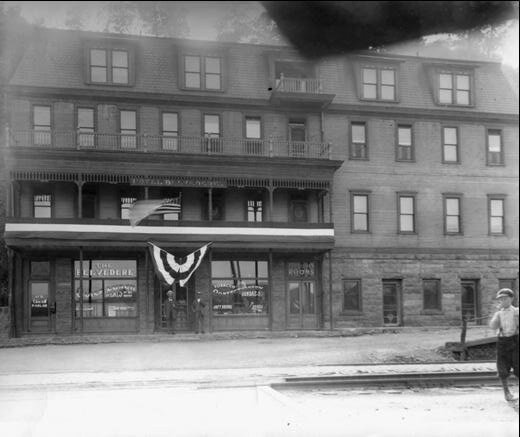
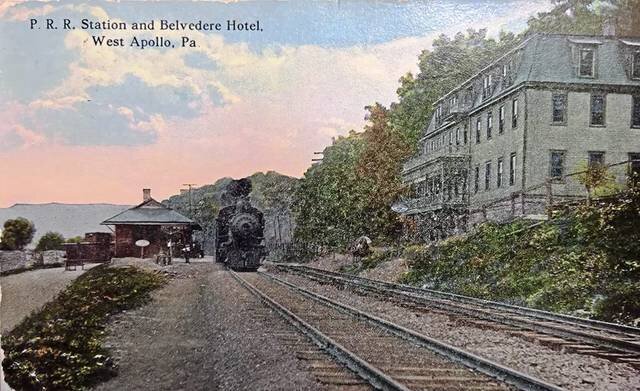
Some of our readers from areas where a residential lot can sell for $100,000 will find this question unthinkable. Even in those areas, they may know of “brownfields,” or areas that have been contaminated. Sadly, from my desk, I’m within miles of two such sites, but that isn’t the subject of our topic today. Today I want to introduce you to the historic building in Oklahoma Borough just outside of Apollo Pennsylvania, the Belvedere Hotel (on the left in the postcard above).

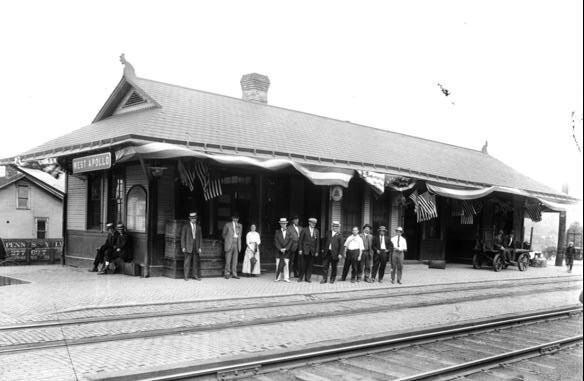
Built in 1905, the Belvedere sat directly across from the West Apollo rail stop. For the last train of the day arriving at 12:45 am, this served as a wonderful service for those who didn’t want to make any more progress at night. Featuring a candy shop and ice cream parlor on the first floor, these were eventually converted over to a bar. The building eventually got its local nickname, “The Tin Hut”, for its beautiful tin ceilings.

However, as the rail stop was removed and the road widened to accommodate the increase in traffic, which subsequently took away the hotel’s parking, business became far more difficult. Despite plans for revitalizing the spot after the purchase in 1982 for $24,000, the hotel was condemned in 2017 as unsafe.

1 (1).jpg

In 2018 bids were secured for the demolition of the structure, however, these quotes ranged from $200,000 to $500,000 (123-300% of the entire annual budget of the borough this property is in). However, an arsonist seems to have “reduced this cost***” in late 2019 to $48,700. It was in 2019 that the Borough of Oklahoma obtained ownership of this property.

1452082_web1_vnd-belvederehotel7-072519.jpg

So, how much is this 2.5-acre parcel worth? The owner sold the property to the borough for $1, after the borough and the county spent $48,700.

Let’s take a deeper look though:

  1. The property is zoned commercial in an area where there is not a high demand for commercial property

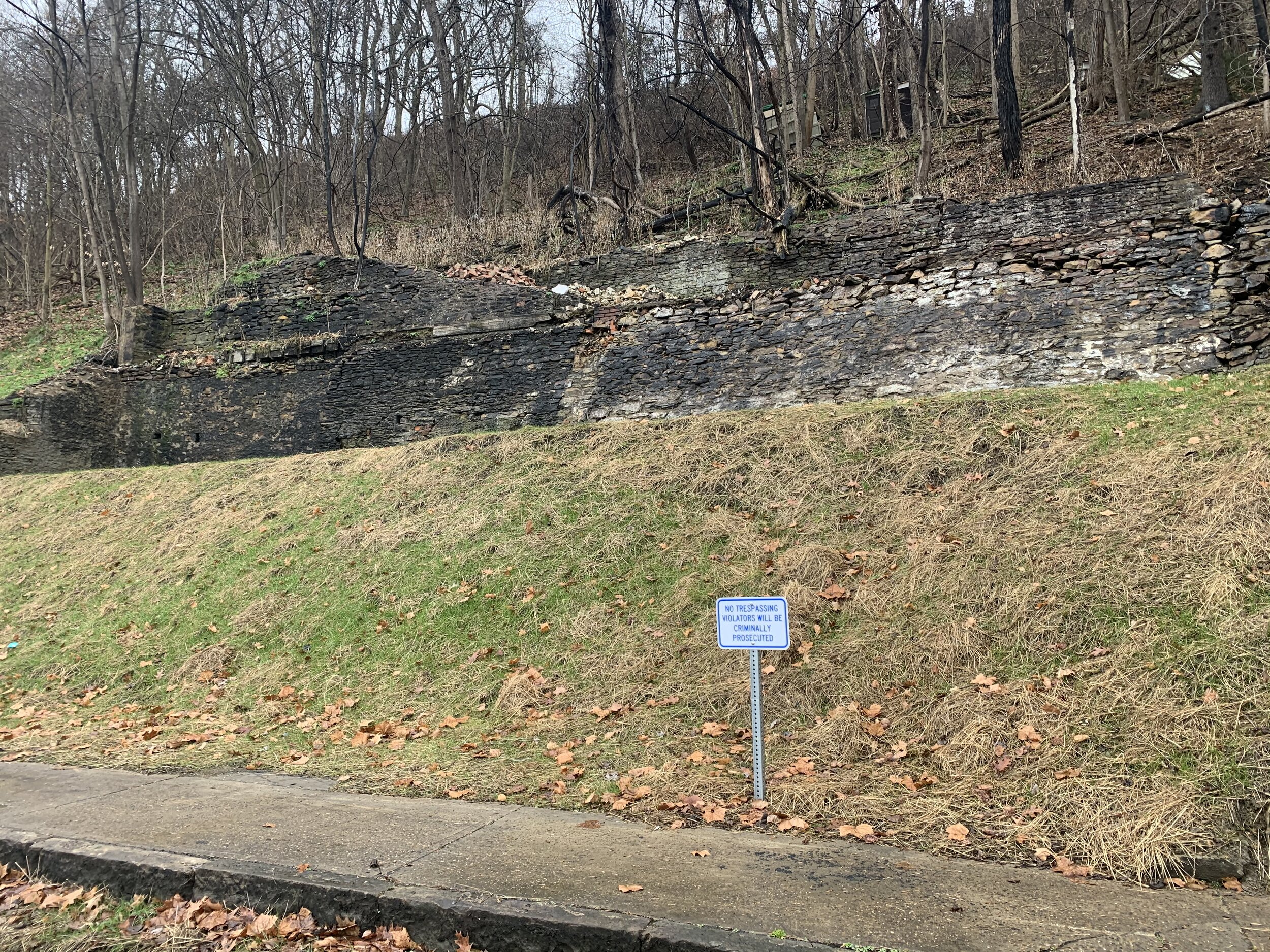
  2. The property is basically a cliff- within its width of approximately 300 feet, it drops nearly 200 feet

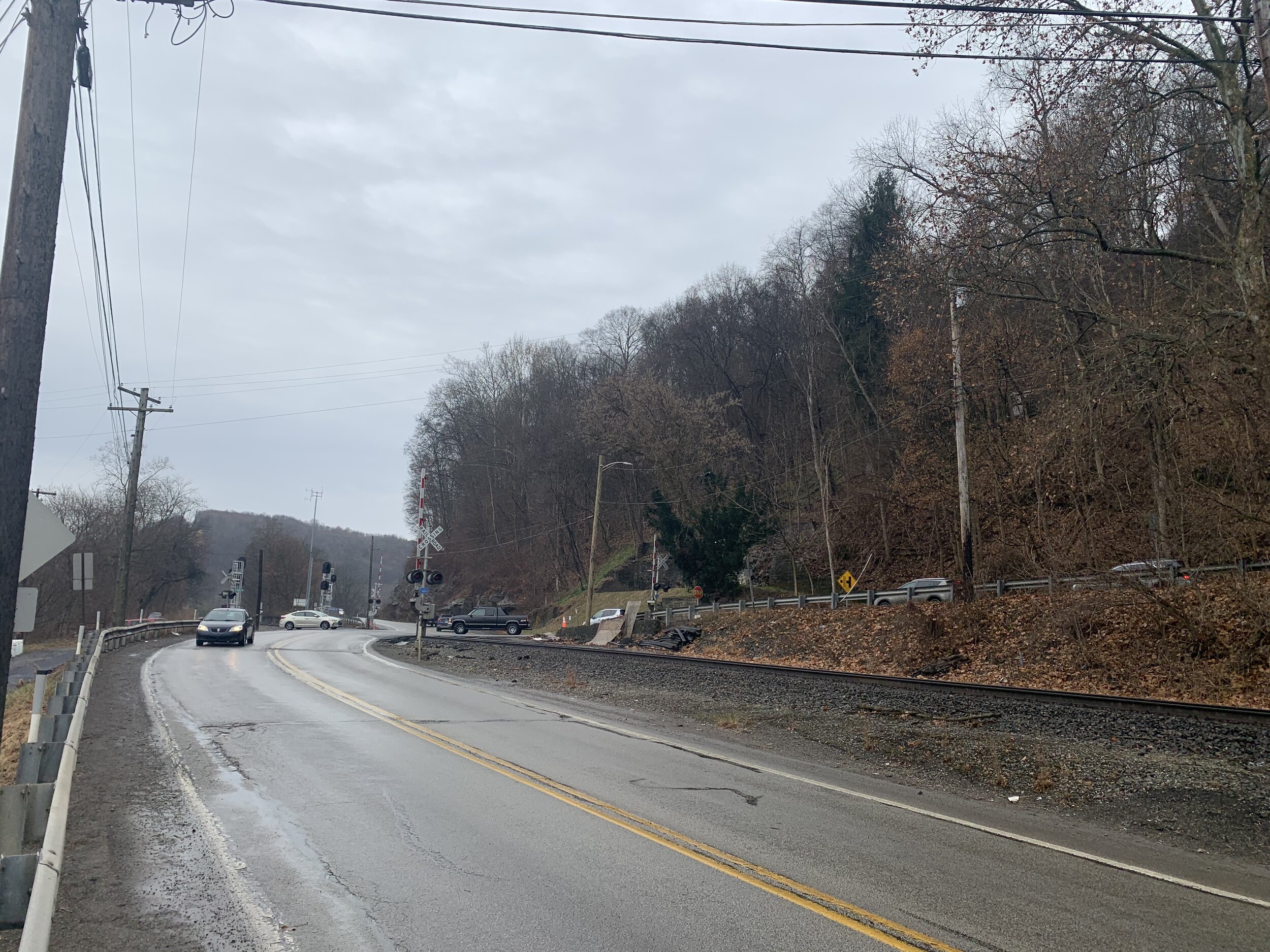
  3. The property is located on a busy road at a busy intersection with no parking

  4. The property is located directly across from a railroad crossing- you can see the guard rails that block traffic at the edge of the building in the one picture provided

  5. The borough has terraced the land and planted grass, posting no trespassing signs… not for sale signs.

You would think that the borough would want to make some of their money back if they could, but in my opinion, I don’t think they can. In short, there is no market in the area for cliffs. The land is “surplus” with no other use than assemblage with an adjoining property. However, who would pay money to own a cliff and the tax and insurance liability that goes with it?

So if we assume that the land, as vacant is in fact worthless. How much was it worth after the fire? What about before the fire?

Sometimes taking a look at the edges of the spectrum can inform our opinions. Is land always worth something? No. Do structures always add value to a property? No. Sometimes an extreme over improvement (as opposed to the under improvement that we see here) could make a property unmarketable (imagine a multi-billion dollar home in an area of shacks, who would buy it?) Its also an important reminder that while “cost does not equal value,” it can be a useful starting point to extract data from.

***There are serious health and safety questions that have yet to be answered publicly. It was reported that the high cost was in part due to the asbestos in the building. The demolition after the fire was not contained (though, how that would be possible is a hard question), so, where did the asbestos go and how did that affect the surrounding environment?

While the author is an appraiser, this should not be construed as an appraisal. The author uses their experience in the field of property valuation to glean real estate principles for educational purposes.

Where do you want 3rd degree burns?

prv+ext.jpg

Water heaters come from the factory set to 140 degrees, which is hot enough to produce 1st degree burns after 3 seconds of exposure. However, pressure relief valves aren’t set to trigger until 150psi, or when the water temperature reaches 210 degrees. That’s hot enough to instantly produce 3rd degree burns. Prior to tanks being designed with a pressure relief valve, when the water pressure would get too high, the tank would explode.

Many hot water tanks are installed in areas like laundry rooms where the chances of the pressure relief valve releasing this damaging steam is likely to happen when someone is nearby. In some models, the pressure relief valve is located on top of the tank… at face level. Many others are located on the side… at chest or hip level. Some models are at ankle height, but all of them allow for a pipe to be installed to direct the water/steam directly and harmlessly at the floor.

The discharge piping serving a pressure relief valve, temperature relief valve or combination thereof shall Not terminate more than 6 inches above the floor or waste receptor. (504.6 Requirements for discharge piping)
— International Association of Certified Home Inspectors

For some reason, water heaters do not ship with an extension pipe for the pressure relief valve to direct this boiling steam away from homeowners. PLEASE, spend the $15 it takes to install an extension pipe on your pressure relief valve to protect yourself and family. It might even help prevent repair issues the next time your property needs appraised.

hotchart.png

Does a manufactured home that has been moved more than once qualify for a loan?

If you plan on purchasing a property that is a manufactured home using financing, find out if the unit has been placed there from the manufacturer/dealer or if it was moved after previously being located at another location. In order to qualify for most lender financing, a manufactured home can only be moved ONE time- from the factory or dealer to its original location and permanently attached to an approved foundation system. If a manufactured home is moved a 2nd time, it is ineligible for ANY type of financing other than owner carry or a VA loan. Even then, it would require a special approval from the VA in order to do the loan.

Fannie Mae guidelines state that the unit must not have been previously installed or occupied at any other site or location, except from the manufacturer or the dealer's lot as a new unit. Moving it would mean it wasn't attached to a permanent foundation and therefore, is viewed more as personal property and not real property. Additionally, the manufactured home must be a one-unit dwelling that is legally classified as real property and cannot include an accessory dwelling unit.

This becomes important from a value standpoint because a buyer’s purchasing power affects the value of a property in a market where the predominance of financing a property is through a lending institution. When a property disqualifies a buyer from obtaining mortgage financing, it requires the buyer to purchase using cash. In short, relocating a manufactured home can reduce the value of the property simply for the reason that it would limit the buyer pool to those who have cash.

Spring Cleaning That Can Add Value

It’s that time of year when spring cleaning gets added to your “To Do” list. Here are some tips that can help not only freshen your home but add some value. If you are looking to sell soon, these ideas will make your home more marketable.

  • Declutter- A clean and organized home looks more valuable and appealing to potential buyers. Start by decluttering your home and getting rid of any items that are no longer needed.

  • Deep Clean - This includes carpets, floors, walls, and windows.

  • Upgrade your lighting - Updating your lighting fixtures can make a big impact on the overall look of your home. Consider replacing outdated light fixtures with modern ones and use energy-efficient LED bulbs to save money on your energy bills.

  • Fix minor repairs - If I had to point out the most important simple tip for maintaining the value in your home, take the time to fix minor repairs, such as leaky faucets, loose doorknobs, defective paint surfaces and scuffs on walls. These small repairs can make a big difference in the overall appearance and functionality of your home.

  • Landscaping - Landscaping can make a huge difference in the curb appeal of your home. Trim bushes, mow the lawn, and plant flowers to make your home look more attractive and well-maintained.

  • Paint - We all know that fresh paint does not necessarily add value. However, painting your home can significantly improve its appearance and make it look fresher and newer. Consider painting your front door, walls, and trim in neutral colors that are attractive to most buyers.

  • Upgrade your kitchen and bathroom - While this might be one of the more expensive items you would consider, upgrading your kitchen and bathroom can significantly improve the value of your home. For budget friendly ideas, consider replacing outdated fixtures and consider painting cabinets. If you have a little more money in your budget, replacing countertops and floor coverings can make a big difference in the appeal of these rooms.

By taking these steps, you can improve the value of your home without breaking the bank. These minor improvements can make a big difference in the overall appearance and appeal of your home.


Are You Housing a Silent Killer?

Radon is a naturally occurring radioactive gas that is colorless, odorless, and tasteless. It is considered to be the leading cause in lung cancer deaths in non-smokers and the second cause amongst those who smoke which is why it is referred to as the silent killer. It is formed by the decay of uranium and thorium, which are present in most rocks and soils. The U.S. Environmental Protection Agency (EPA) recommends that homes be tested for radon, and that homeowners take steps to mitigate radon levels if they are found to be high.

The Environmental Protection Agency (EPA) recommends that homes be remediated if the radon level exceeds 4 picocuries per liter (pCi/L) of air. However, the World Health Organization (WHO) recommends a lower action level of 2.7 pCi/L. It's important to note that while the recommended action levels vary, there is no safe level of radon exposure. Radon is a known carcinogen, and the risk of lung cancer increases with higher levels of exposure. Even radon levels below the recommended action level can pose a risk over time.

Reducing radon levels in buildings can help to reduce the risk of lung cancer and other health problems associated with radon exposure. The process of radon remediation involves identifying the source of the radon, typically through testing, and then taking steps to reduce the amount of radon in the air.

Radon remediation can include sealing cracks and openings in the foundation, improving ventilation, and installing a radon mitigation system, such as a fan or other equipment that can help to vent the radon gas from the building. The specific approach used for radon remediation will depend on the nature and severity of the radon problem, as well as the characteristics of the building.

Overall, radon remediation is an important step to protect the health and well-being of those who live and work in buildings that may be affected by radon.

Murrysville 2022 Market in Review

The year 2022 was a year of historically low inventory and high demand, unlike anything Murrysville has seen in recent history. Interest rates have been a major player in the market this year and definitely caused some of the historic gains to cool off towards the last quarter of the year. As rates rose, activity slowed- at least to a certain extent. As you look through this report, you will notice that the rise in mortgage rates corresponds to other market data events.

The annual median home sales price rose from $330,000 in 2021 to $374,100 in 2022 which is a 13.4% increase. Compare that to the year 2020 when the median sale price was $300,000 and the increase was at 10%.  In looking to this coming year, it is safe to say that these increases will cool down. To what degree will depend on mortgage interest rates, inflation, demand and market saturation.

The general trend in the median sale price over the past year has been increasing with the peaks in those increases showing up during the summer months.

The supply has been historically very low in 2022 and this chart shows that there was a build up right around April. It is typically between March and April that sellers list their properties in anticipation of the height of the buying season.

The marketing times (expressed in DOM- days on market) has also been extremely low. However, in the past few months, this has been rising due to a cooling in the market most likely attributed to seasonal cyclical events during winter months and compounded by the rising mortgage rates. A rise in marketing times should be viewed as a possible indicator that listing prices are at a peak point and/or demand is starting to balance.

As is expected, the quantity of sales is most active in the months May through September.

The current number of active listings is also decreasing. We will have to wait to see if this starts to increase when the market typically experiences seasonal cyclical events around March or April when sellers like to place their properties on the market.

Not only as demonstrated in the previous chart which showed the number of actives decreasing, the median list price is also decreasing. This could be significant to keep in mind. As the marketing times increase and the list prices decrease, this could have a direct impact on the median sale price going forward. Only time will tell how all of this will affect 2023 sales.


What Makes a Room a Bedroom?

This question is one of the most common questions I get and there is much confusion as to what qualifies a room as a bedroom. While there is no official definition, there is only one requirement a room needs in order to legally qualify it as a bedroom- a window of adequate size so as to allow for ingress/egress.

Most think a bedroom requires a closet which is a misnomer. There are plenty of older homes I have been in where the bedrooms don’t have closets. Think about it… there was a day when most people only owned a few articles of clothing. During these times, when there weren’t closets, many owned an armoire which doubled as a closet and dresser.

So lets put to rest that a bedroom NEEDS a closet.

With that in mind, in todays markets, most expect closets so that they have a place to store their clothing, shoes, bags and whatever else people put in their closets. Here are some other things to consider when classifying a room as a bedroom:

  1. Is it of adequate size? A bedroom should be large enough to accommodate a bed and provide some space for movement around the bed, room for dressers, et.. The minimum size for a bedroom may vary depending on local building codes or regulations.

  2. Is there a door? A bedroom should have a door that can be closed to provide privacy. A door can also be an added safety feature. It is best to sleep with your door closed in the event of a fire.

  3. Where is the room in proximity to a bathroom? A bedroom should be located within close proximity to a bathroom. If all your bedrooms are on the 2nd level of the home and the only bathroom is on the first level, this could be viewed as a functional obsolescence. No one wants to get up in the middle of the night to stumble in the dark through the rest of the house.

These are the basic features that make a room a bedroom. The only feature that is a requirement is a window. However, depending on local building codes, there may be other requirements that a room must meet to be legally considered a bedroom and typically, the market might be expecting more.

For Better or For Worse? FNME vs GPAR

Over the years, I have provided appraisals for properties owned by individuals going through divorce proceedings and have had the opportunity to be used in several counties as an expert witness. Whenever I am providing an appraisal for marital dissolution purposes, there are a few things I keep in mind. Most important is the possibility that my report might end up being used as part of expert witness testimony in a formal court proceeding. For this reason, it is important to know the correct form to use.

Most appraisers complete their reports on Fannie Mae produced forms as the majority of the work completed is for lending purposes. It is important to understand that these forms were created by and expressly for Fannie Mae purposes. There are pre-printed certifications which clearly indicate the use of and purpose for these forms.

Unfortunately, using Fannie Mae forms for litigation work is a mistake. While an appraiser should be aware of this, I have found in reviewing opposing counsels “expert” appraisal reports that many use the wrong form. Legal authorities have advised and forewarned that the use of the 1004 URAR appraisal form for litigation purposes carries the risk of having that report thrown out and ultimately, that side losing their case.

Per Jody Bruns, CDLP, using the wrong form could be a costly mistake and can jeopardize a case. Check out the full article here:

http://digitaleditions.walsworthprintgroup.com/publication/?i=286075&article_id=2358305&view=articleBrowser

In the future, if you are looking to have an appraisal completed for divorce purposes, be sure that you engage the services of an appraiser who has the experience and knowledge to know that using the correct form can make all the difference in your case.

Neighborhood vs Market Area

One of the foundations that determines the value of a property is the well known mantra- location, location, location. But what does that really mean? Simply put, the value of a property is in direct relation to where it is located- both its neighborhood and the market area it is located within. An appraiser should be able to define the neighborhood along with the market area in order to research and accurately report those factors that affect the value of a property.

What defines a subject’s neighborhood? A neighborhood is a group of complementary land uses, a congruous grouping of inhabitants, buildings or business enterprises. It focuses on four sets of considerations that influence value: social, economic, governmental and environmental factors. Sometimes, a neighborhood is well defined- consider some housing plans and subdivisions or even small towns. In more rural areas, the neighborhood is less easily defined and could encompass an entire municipality.

So then, how is the neighborhood different from the market area? A market area is the geographic or locational delineation of the market for a specific category of real estate. It is an area in which alternative similar properties effectively compete with the subject in the minds of potential purchasers, often referred to as the buyer pool. A market area is often much larger than a neighborhood. A property located in a subdivision could have a market area that includes additional alternative subdivisions that would have a similar appeal based on the location, school district, access to local amenities, median price range, etc.

Within any given market analysis is a term referred to as market segmentation. This is the process by which submarkets within a larger market are defined. Specifically, it is taking a look at the market data and determining segmented portions such as retirement communities, condominiums, investment properties, etc.

One example would be a sub-market for condominiums in Murrysville. Condominiums in this market area make up less than 10% of the overall real estate but there is a well defined buyer pool for these types of properties. In order to analyze the impact of value on a condominium in Murrysville, you would need to first analyze the plan it is located in (the neighborhood), then analyze Murrysville as a whole (the market area) and then further extract that data to analyze other similar condominiums in Murrysville (segmented market area).

As you can see, the location of any given property can be directly influenced by its direct neighborhood, the larger market area and the segment of the market that it is classified as.

In the near future, I’d like to take a very real but hypothetical look at an example property and how knowing both your neighborhood and market area has a direct impact on the data needed to be analyzed and the comparables chosen.